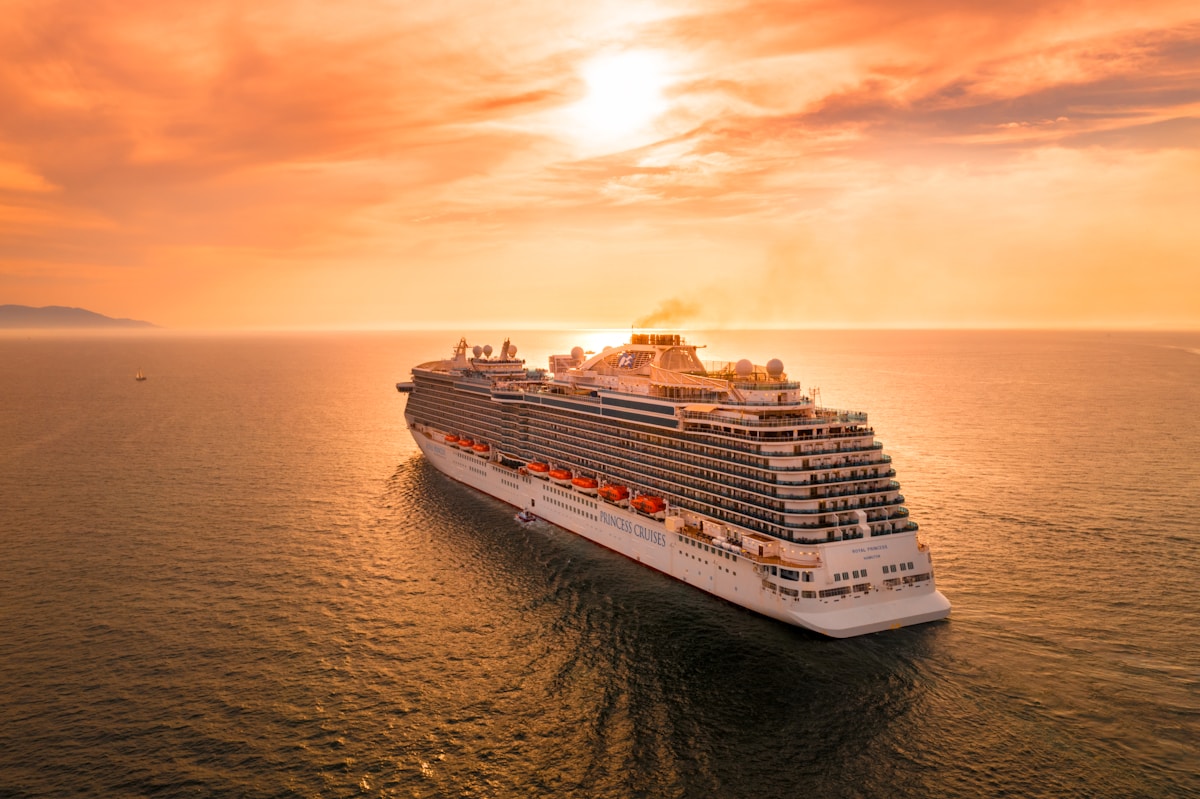
Mediterranean cruises offer an unparalleled way to explore multiple countries without the hassle of repeated packing and airport transfers. From Greek islands to Croatian coastal gems, these itineraries deliver unforgettable experiences. Among the dozens of ports across the region, certain destinations stand out as genuine highlights worth your early alarm.
Santorini: The Crown Jewel
Nothing prepares you for your first glimpse of Santorini’s caldera. As your ship anchors in the volcanic bay, whitewashed buildings cascade down dramatic cliffs, blue-domed churches punctuating the scene. This is why people cruise the Mediterranean.

Tender boats deliver you to Fira, where cable cars climb to the clifftop town. The village of Oia, famous for its sunset views, sits at the island’s northern tip—about 30 minutes by bus from Fira. Time your visit carefully: mornings offer cooler temperatures and smaller crowds, while late afternoon brings golden light for photography.
If your ship arrives early, head to Oia first. Most passengers linger in Fira, so you’ll have the iconic blue domes to yourself. The walk along the caldera path between villages takes about two hours and ranks among the Mediterranean’s most scenic hikes.
Dubrovnik: Where History Lives
The “Pearl of the Adriatic” deserves its reputation. Dubrovnik’s medieval walls encircle a remarkably preserved old town where marble streets gleam and baroque churches anchor every square. Game of Thrones filmed extensively here, but the city’s appeal far predates the series.
Walking the city walls should top your priority list. The 2-kilometer circuit provides panoramic views of terracotta rooftops, the old harbor, and the sparkling Adriatic. Start early—crowds build quickly, and summer heat becomes oppressive by midday. The complete walk takes about 90 minutes.
Inside the walls, explore the Rector’s Palace, the Franciscan Monastery with its ancient pharmacy, and the cathedral treasury. For Game of Thrones fans, the steps of the Jesuit Church served as the setting for Cersei’s walk of shame. The Lovrijenac Fortress, just outside the walls, doubled as the Red Keep.
Other Must-See Mediterranean Ports
Kotor, Montenegro: This fjord-like bay delivers dramatic scenery rivaling Norway’s. The walled old town fits comfortably in a few hours, but climbing to the San Giovanni fortress—1,350 steps—rewards with breathtaking views. Arrive early; afternoon cruise crowds pack the narrow streets.
Barcelona, Spain: Most itineraries give Barcelona a full day or even overnight. This barely scratches the surface, but you can see Gaudi’s Sagrada Familia, stroll Las Ramblas, and sample tapas in the Gothic Quarter. Book Sagrada Familia tickets well in advance—walk-ups face hours-long waits.
Cinque Terre, Italy: Ships anchor offshore from La Spezia, where trains connect to five colorful villages clinging to the Ligurian coastline. The hiking trails between villages offer stunning views, though some sections close periodically for maintenance. Vernazza and Manarola photograph best.
Valletta, Malta: This fortified capital packs extraordinary history into a compact peninsula. Knights of St. John built the city after the Great Siege of 1565. St. John’s Co-Cathedral contains Caravaggio masterpieces. The Upper Barrakka Gardens provide harbor views.
Best Time to Visit Each Region
Timing significantly impacts your Mediterranean cruise experience. The eastern Mediterranean—Greece, Turkey, Croatia—excels from May through early June and September through mid-October. Summer brings intense heat and overwhelming cruise ship traffic.
Western Mediterranean ports—Spain, France, Italy—extend the season slightly. April and late October offer pleasant weather in Barcelona and Rome, though smaller coastal towns may have reduced services.
Shoulder season cruises cost less and encounter smaller crowds. You’ll share popular attractions with fewer visitors, find better restaurant availability, and enjoy more authentic local experiences. The tradeoff: slightly higher rainfall probability and occasional gray days.
Maximizing Limited Port Time
Most Mediterranean itineraries provide 6-10 hours in port. This demands strategic planning. Research each destination before your cruise, identify must-see priorities, and create realistic schedules accounting for tender boat waits and walking distances.
Arrive at your first attraction as early as possible. The difference between arriving at Pompeii at 8 AM versus 10 AM is dramatic—you’ll have ancient streets nearly to yourself rather than shuffling through crowds.
Eat lunch strategically. Midday typically brings the worst crowds at major attractions. Use this time for a relaxed meal at a local restaurant while others queue at monuments. Return to sightseeing after 2 PM when many tourists head back to their ships.
Shore Excursions vs Independent Exploration
Ship-sponsored excursions provide convenience and the guarantee that the ship won’t leave without you. For distant attractions requiring significant travel—Pompeii from Naples, Florence from Livorno—organized tours reduce logistical stress.
However, ship excursions often cost more than independent alternatives and follow rigid schedules. You’ll spend time waiting for fellow passengers and visit gift shops you’d otherwise skip. Groups of 40+ people move slowly through narrow streets.
Independent exploration works beautifully in walkable port cities like Dubrovnik, Valletta, and Kotor. Download offline maps, research transportation options, and set multiple alarms for your return time. Always allow a generous buffer—missing your ship creates an expensive emergency.
A middle ground: book private guides or small-group tours through local operators. You’ll pay less than ship excursions, enjoy personalized attention, and maintain schedule flexibility. Just ensure you understand ship departure times and plan accordingly.
Planning Your Perfect Mediterranean Cruise
Consider pre- or post-cruise stays in embarkation cities. Venice, Barcelona, and Rome deserve more than a few hours. Arriving a day early also protects against flight delays that could cause you to miss your ship—a nightmare scenario with surprisingly few solutions.
The Mediterranean rewards repeat visitors. Your first cruise provides an introduction; subsequent trips allow deeper exploration of favorite regions. Many travelers focus exclusively on Greek islands or Croatian coast after sampling the broader Mediterranean menu.
Whichever itinerary you choose, those early morning arrivals deliver magic. Watching Santorini’s caldera emerge from dawn mist or seeing Dubrovnik’s walls glow in sunrise light—these moments explain why Mediterranean cruises remain among travel’s greatest experiences.



Leave a Reply